SDC Complements SMJ Initiatives
Estimated Reading Time: 2 minutes


Strategic investment is a key catalyst for economic growth in an increasingly competitive and fast-changing environment. Therefore, Sabah established the Sabah Development Corridor (SDC) – under the purview of Sabah Economic Development and Investment Authority (SEDIA) - in January 2008 to accelerate the economic pace.
The SDC is an economic plan, one of five regional economic corridors in Malaysia. SEDIA’s role is facilitating and coordinating investment promotions. Chief Minister Datuk Seri Panglima Haji Hajiji Haji Noor said the SDC agenda is a strategic complement to the implementation of the Hala Tuju Sabah Maju Jaya (SMJ), Sabah’s masterplan for overall development.
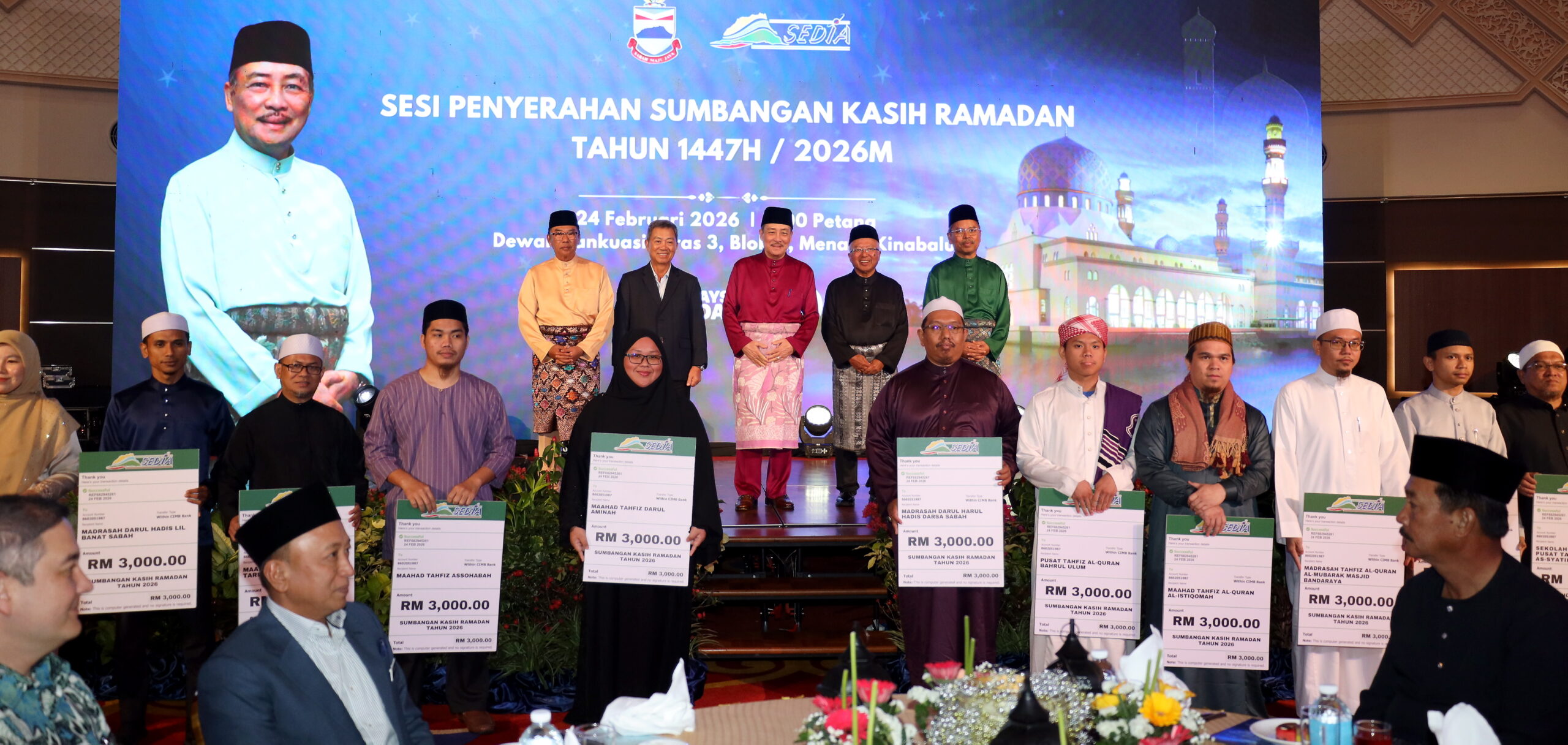
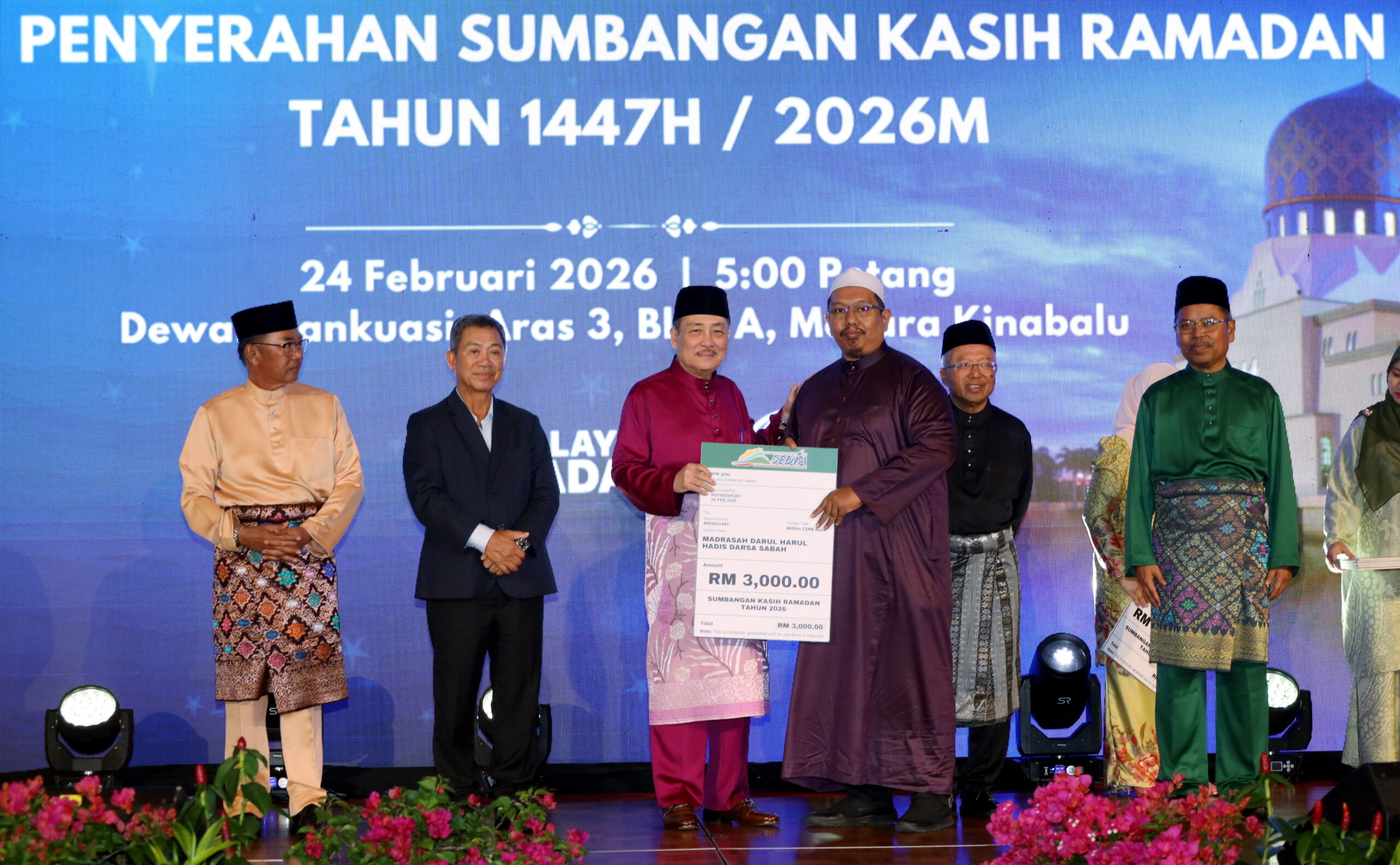
“The SDC also complements the nation’s development aspirations under the Malaysia Madani framework,” he said at the breaking of fast ceremony on 24 February 2026 with State and Federal department heads at Menara Kinabalu.
“Our priority is high-quality investments to generate high-value-added job opportunities, strengthening local supply chains, and delivering spillover benefits to local communities.” SEDIA has completed several strategic studies including the following:
- Economic Master Plan and Business Plan for POIC Sandakan.
- Master Plan and Business Plan for the Free Economic Zone.
- Logistics Hub and Cold Storage Depot at POIC Lahad Datu.
- Sabah Border Economic Development.
- Master Plan for the Food Valley in Sabah’s interior.
SEDIA has also coordinated the implementation of people-centric infrastructure projects, although small scale, the 1,126 high-impact projects in 32 districts and sub-districts have narrowed development gaps between regions and local communities, and especially in rural areas.