Another UNESCO Recognition for Sabah
Estimated Reading Time: 3 minutes


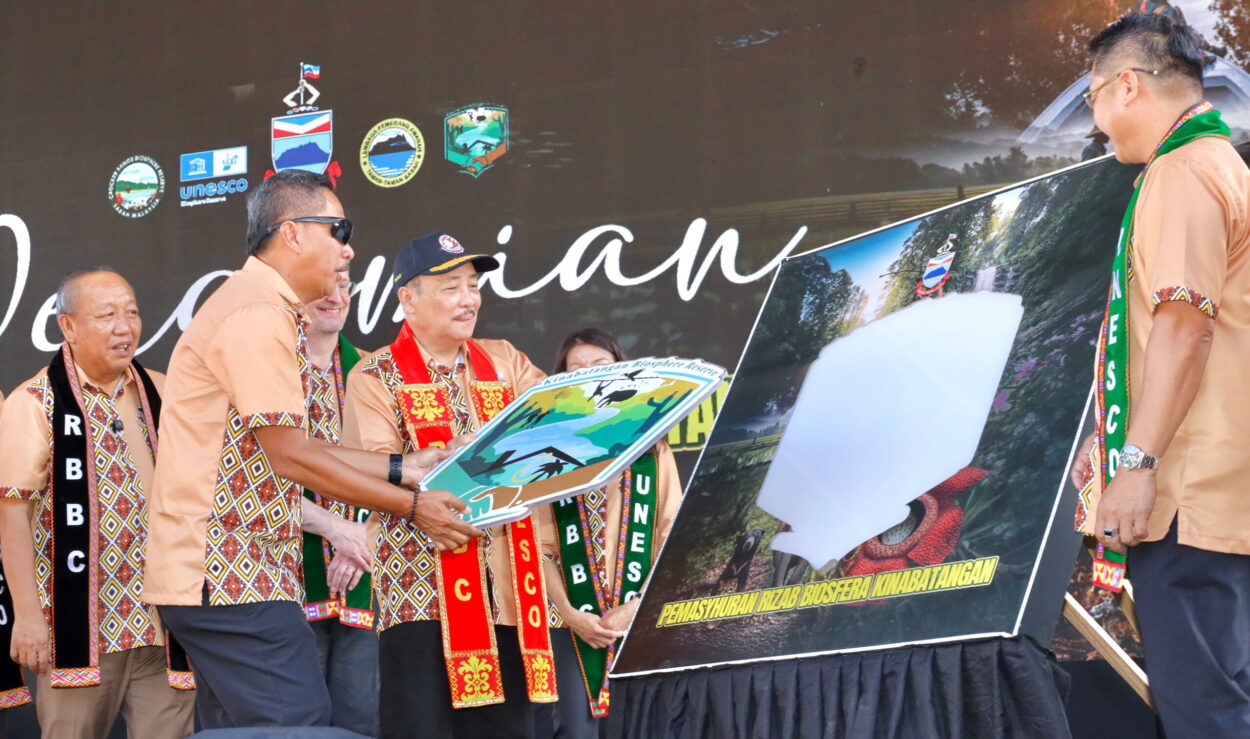
In 2025, UNESCO has proclaimed world heritage status for Sabah’s Kinabatangan Biosphere Reserve, Sabah's second recognition by UNESCO, the Crocker Range Biosphere Reserve, being the first. Malaysia now has four UNESCO’s Man and the Biosphere (MAB) sites: Tasik Chini Biosphere Reserve, Pahang, designated in 2009; Penang Hill Biosphere Reserve, Penang, in 2021; Crocker Range Biosphere Reserve, Sabah, in 2014; and Kinabatangan Biosphere Reserve, Sabah, in 2025.
In 2025, UNESCO has proclaimed world heritage status for Sabah’s Kinabatangan Biosphere Reserve, Sabah's second recognition by UNESCO, the Crocker Range Biosphere Reserve, being the first. Malaysia now has four UNESCO’s Man and the Biosphere (MAB) sites: Tasik Chini Biosphere Reserve, Pahang, designated in 2009; Penang Hill Biosphere Reserve, Penang, in 2021; Crocker Range Biosphere Reserve, Sabah, in 2014; and Kinabatangan Biosphere Reserve, Sabah, in 2025.
“The recognition by UNESCO is a testament of our commitment - the government and the local communities - to protect biodiversity. It proves that the Kinabatangan landscape, covering approximately 414,000 hectares, possesses outstanding biodiversity value and ecological significance,” Chief Minister Datuk Seri Panglima Haji Hajiji Haji Noor said on 14 June 2026 at the 12th anniversary celebration of the Crocker Range Biosphere Reserve and the declaration ceremony of the Kinabatangan Biosphere Reserve at Padang Merdeka, Kota Kinabalu.
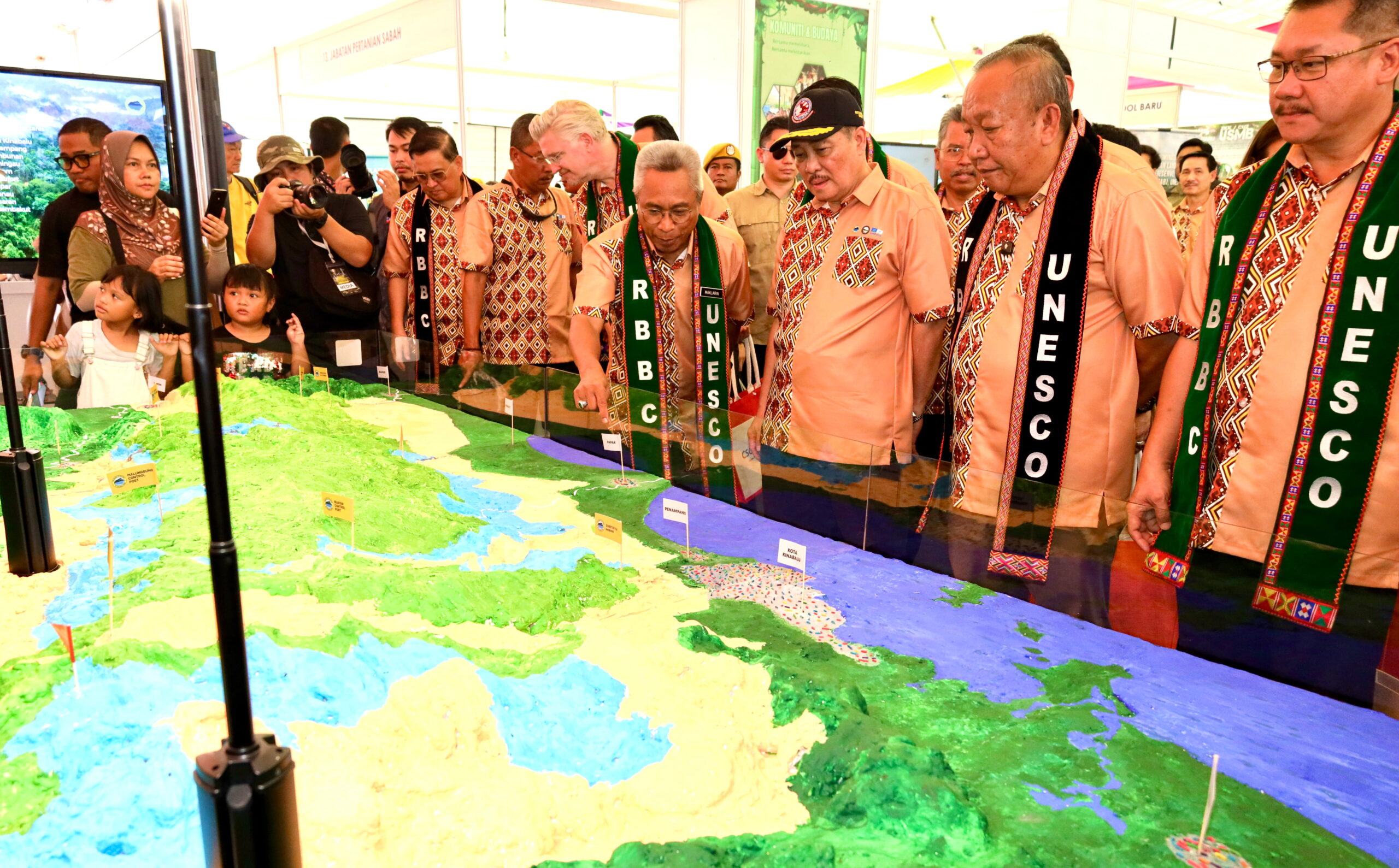
The Kinabatangan Biosphere Reserve is home to 315 bird species, 100 reptiles, 33 amphibians, 127 mammals and more than 1,000 vascular plant species, including a few endangered animal species including the Bornean orangutan, pygmy elephant, proboscis monkey, sun bear and eight hornbill species found in Sabah. The Crocker Range Biosphere Reserve - spanning 350,584 hectares - is Malaysia’s largest terrestrial biosphere reserve. It is host to rich tropical hill and montane landscapes, and home to protected habitat for sun bear, clouded leopard, and orangutan. It is a vital water catchment for Kota Kinabalu and surrounding towns. More than one million people live in 400 villages across 10 districts within the Crocker Range Biosphere Reserve, namely Tuaran, Kota Kinabalu, Penampang, Ranau, Tambunan, Keningau, Tenom, Beaufort, Papar and Membakut.
Tasik Chini Biosphere Reserve in Pahang is 6,922 hectares, and Penang Hill Biosphere Reserve is 12,481 hectares. Hajiji said that the UNESCO recognition of Kinabatangan is another important milestone in the State’s continuous efforts to preserve environmental sustainability and biodiversity. “With this world-class status, the Kinabatangan Biosphere Reserve is expected to attract international attention in the fields of research, education, nature-based tourism and global collaboration opportunities,” Hajiji added. “This is in line with the State Government’s commitment to protecting and conserving nature, because ecosystem functions are crucial for Sabah and for the world.”
The existence of these two biosphere reserves is also closely linked to the Sabah State Government’s efforts to realise the Sabah Maju Jaya initiative, Hajiji added. “Sabah now has 30 per cent of its land area gazetted as Totally Protected Areas (TPAs), the CM said. “We are determined to further strengthen Sabah’s role as a carbon sink, including through the Crocker Range and Kinabatangan Biosphere Reserves. Sabah remains a major net carbon sink, contributing 36 per cent of Malaysia’s total carbon sequestration through its vast tropical forests.”