Sabah Implements Outcome-Based Integrity key to Fight Corruption
Estimated Reading Time: 2 minutes


The State Government believes that the Outcome-Based Integrity (OBI) is a workable formula for building a resilient and corruption-resistant administrative ecosystem. OBI focuses on three main pillars, namely, a significant reduction in the risks of fundamental leakages and misconduct; greater efficiency and transparency in public service delivery; and a significant increase in the level of public and investor confidence.
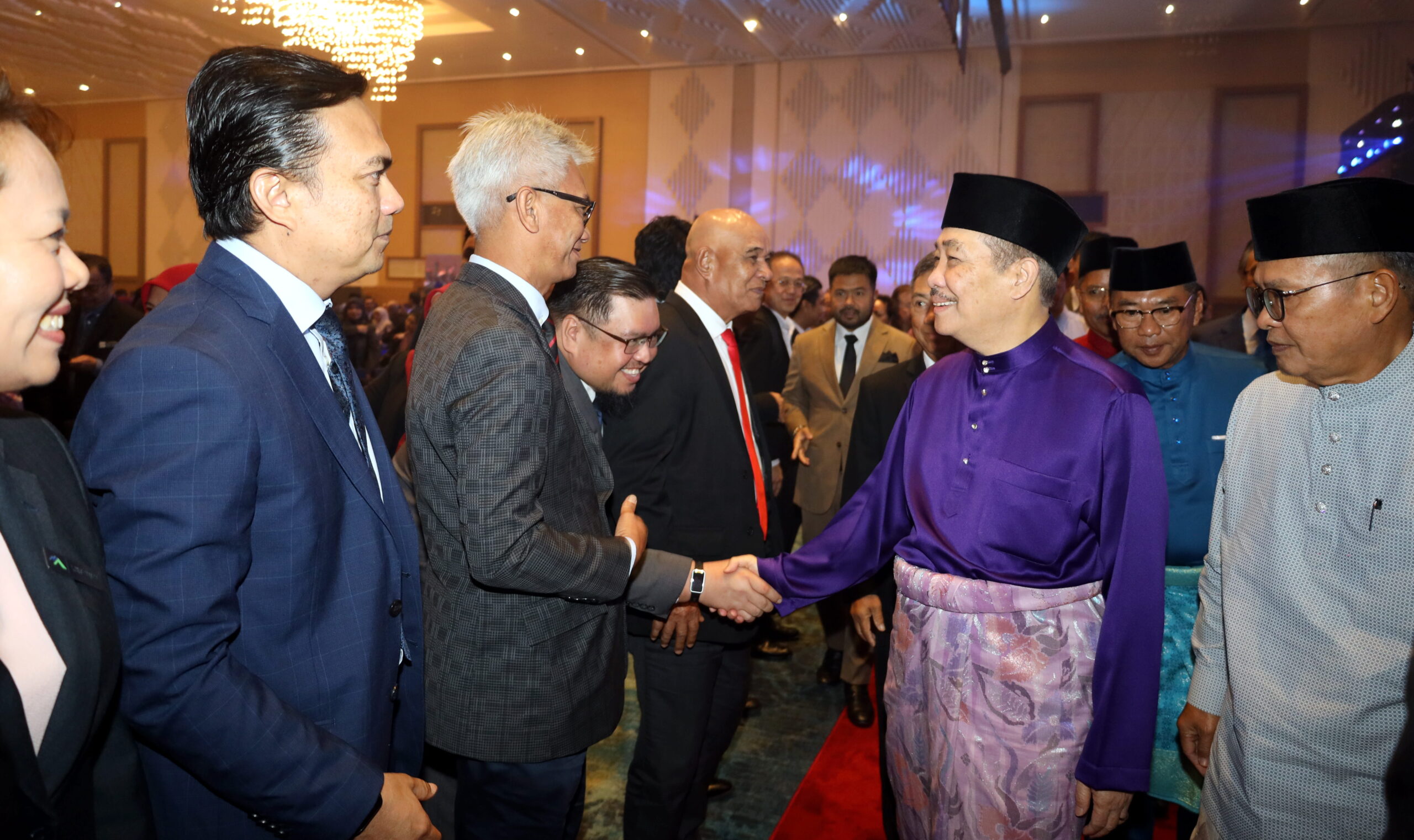
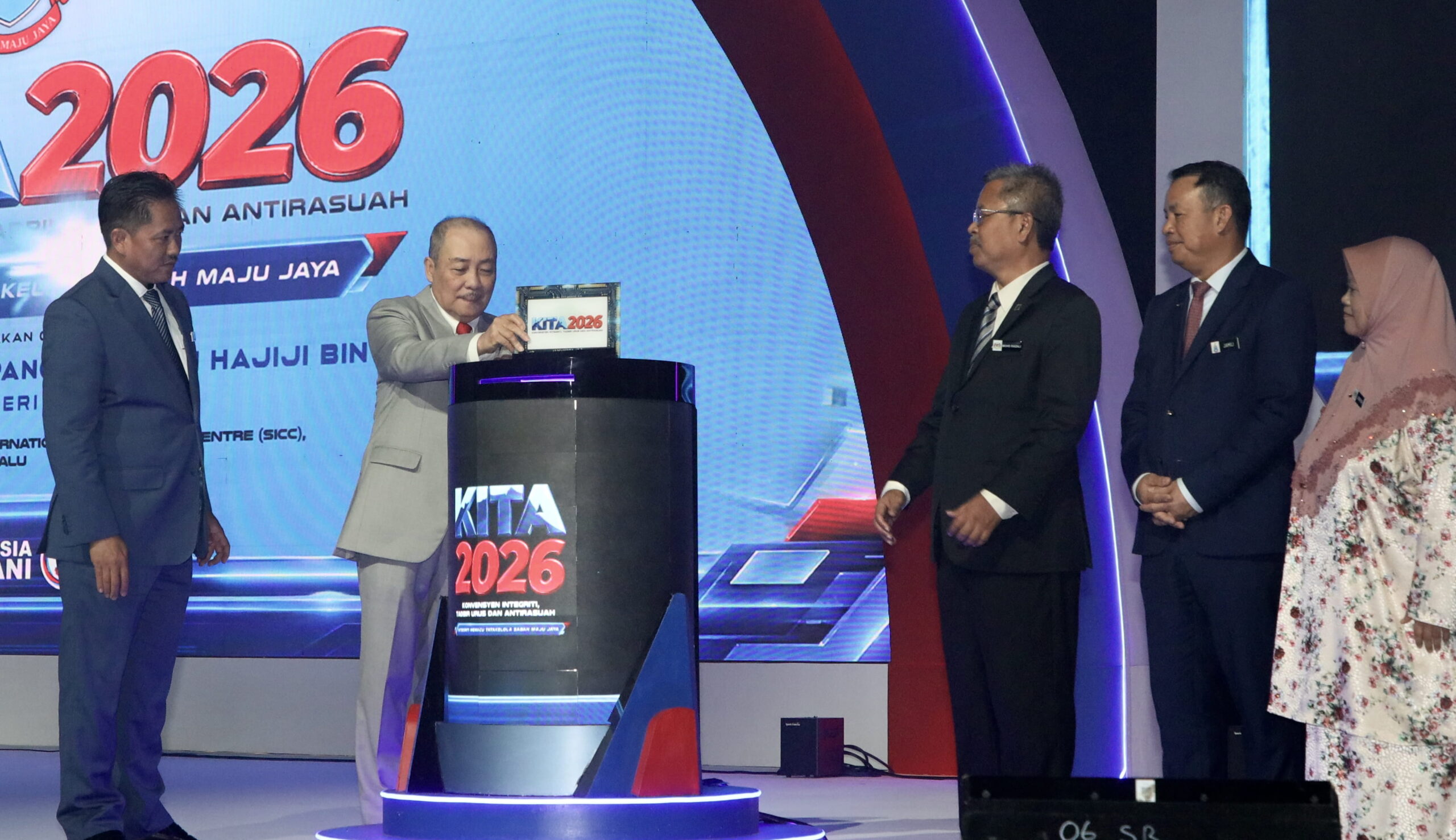
Chief Minister Datuk Seri Panglima Haji Hajiji Haji Noor officiated the Integrity, Governance and Anti-Corruption Convention or KITA 2026 (Konvensyen Integriti, Tadbir Urus dan Antirasuah) convention on 6th October 2026 at the Sabah International Convention Centre (SICC), Kota Kinabalu.
the Sabah International Convention Centre (SICC), Kota Kinabalu. The two-day convention -themed “Integrity Driving Sabah Maju Jaya Governance - attracted 2,500 participants from across the State. KITA was established in 2023 and has continued annually.
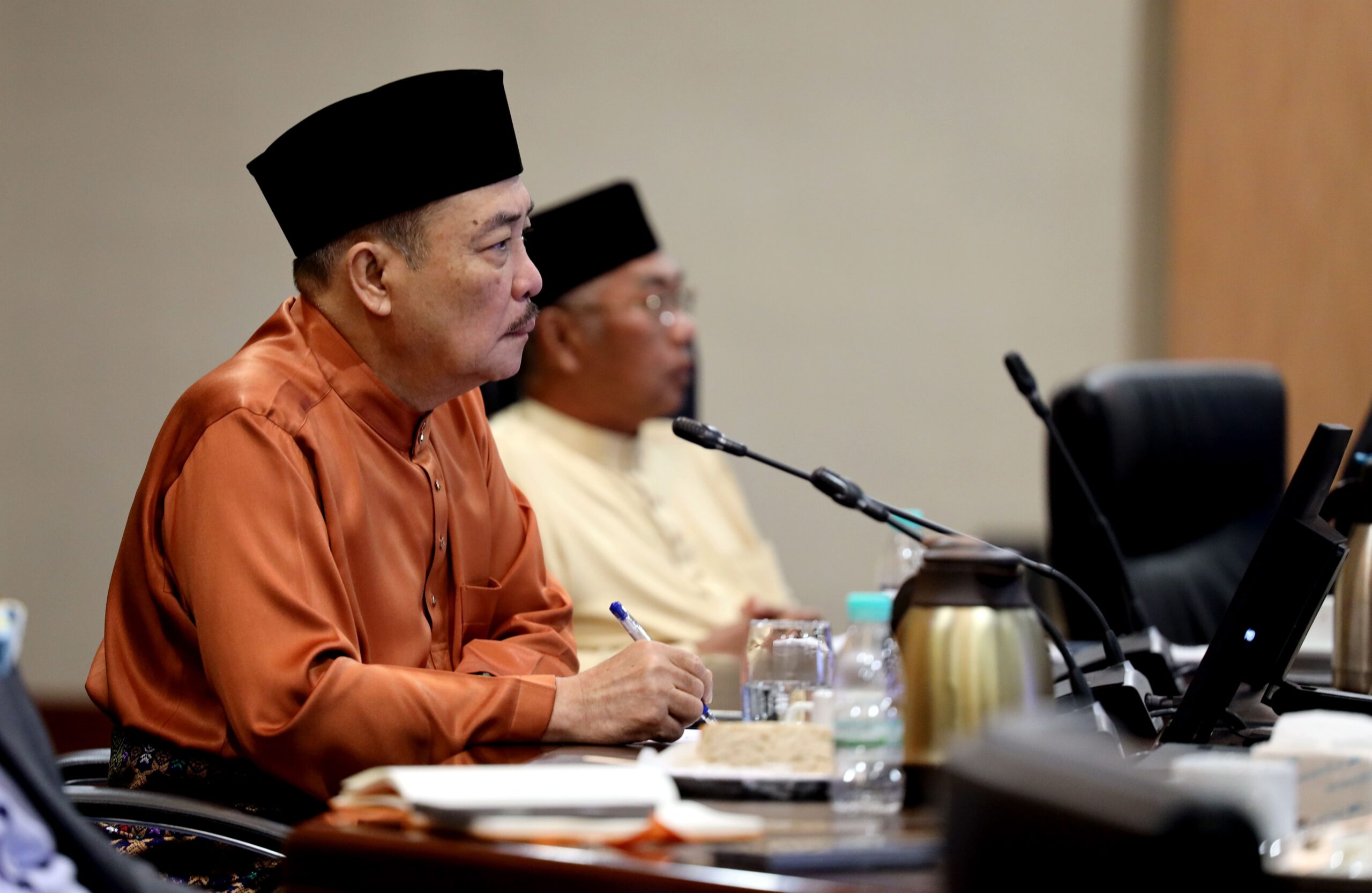
“Governance must be based on the 3P formula - Proactive, Predictive and Preventive. Disorganised bureaucracy is the most fertile breeding ground for corruption and ‘quick money’. Every ringgit of public funds spent must deliver maximum value- for- money,” Hajiji said in his officiating speech.
KITA’s achievements include the placement of 10 Certified Integrity Officers (CeIOs) as heads of Integrity Units in every ministry, the development of the iAdu mobile application, the i-DIMSS and i-STANS systems, and 17 Sabah State Government agency officers obtaining the Certification in Professional Integrity Assurance and Management (CPIAM) from Universiti Sains Malaysia.
At the national level, the Sabah State Integrity and Governance Division (Bahagian Integriti dan Governans Negeri Sabah or BIGoNS) under the State Secretary’s Office also received UNGGUL recognition under the Integrity and Governance Management System (Sistem Pengurusan Integriti dan Governans or SPINE) certification by the Malaysian Institute of Integrity (IIM).
Sabah will expand the CeIOs and strengthen the functions of Integrity Units to build a new generation of leaders with integrity. A high level of integrity among civil servants is crucial to successfully implement the SMJ 2.0 Development Plan (2026–2030), which identifies Integrity-Based Governance as one of its five main Strategic Enablers, Hajiji said.