New Phase of Sabah Maju Jaya Targets Competitiveness, Productivity, and Economic Value
Estimated Reading Time: 3 minutes


Sabah’s development blueprint - the Sabah Maju Jaya (SMJ) 2.0 – will continue to roll out programmes, initiatives and infrastructures. The commitment to continue the successful development path is to honour the mandate given to Gabungan Rakyat Sabah (GRS) in the 17th state elections in November 2025. Basically, the SMJ anchors on four thrusts: Sabah First, Sabah Forward, Sabah Prosper, and Sabah United; and its five core objectives are: building a united and peaceful society; optimizing state revenue; diversifying the economy; boosting the people’s economy; and developing human capital.
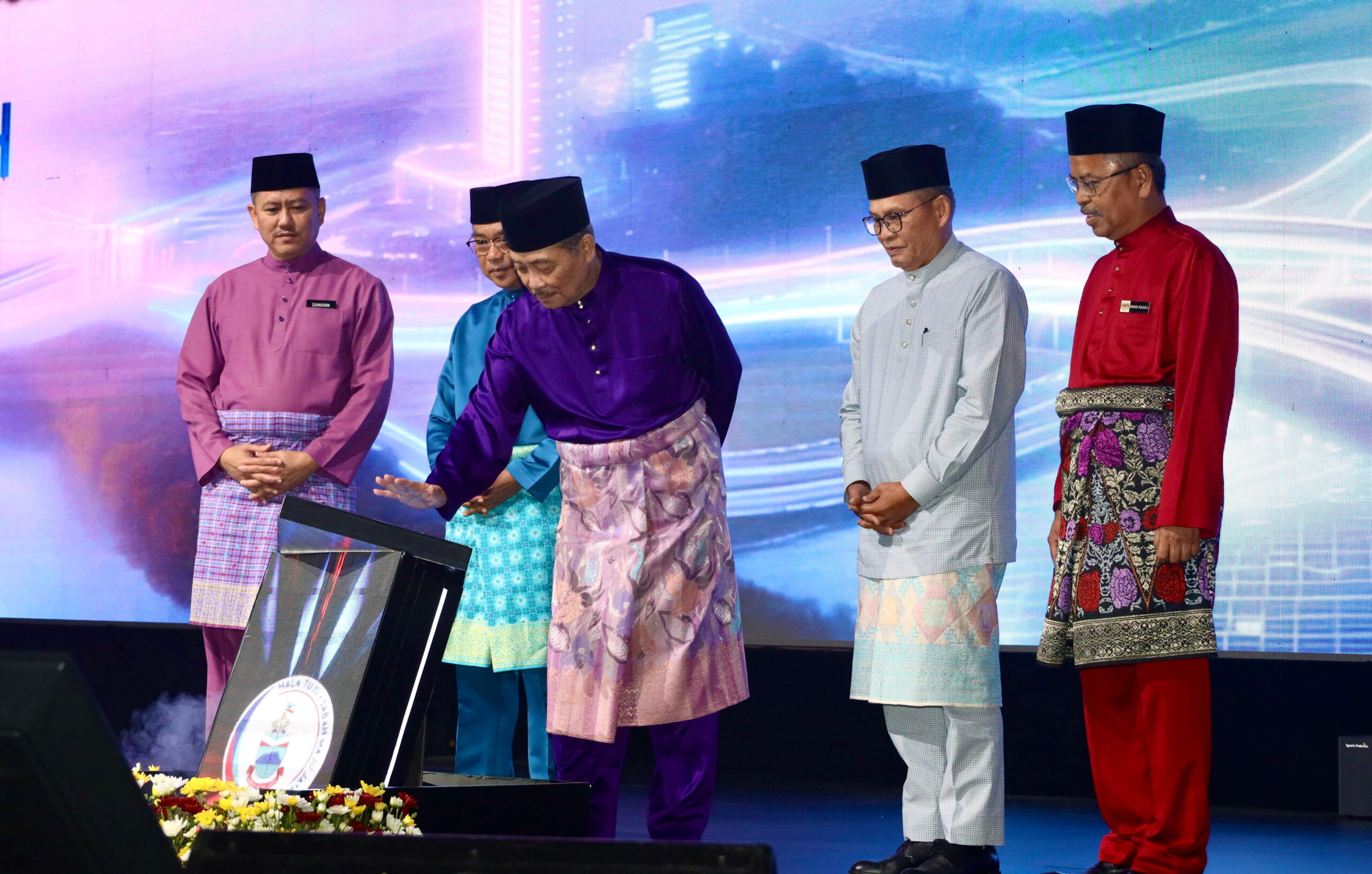
Chief Minister Datuk Seri Panglima Haji Hajiji Haji Noor officially launched the Sabah Maju Jaya (SMJ) 2.0 Roadmap 2026–2030 on 30 January 2026 during an event, “Chief Minister’s Keynote Address to Sabah Civil Service Employees and the Launch of SMJ 2.0” at the Sabah International Convention Centre (SICC), Kota Kinabalu.
- The economic roadmap has three main thrusts:
- Economic Growth - Focusing on Industry, Tourism, and Agriculture;
- Human Capital Development and People’s Well-being: focussing on education, TVET (Technical and Vocational Education and Training ecosystem), STEM (Science, Technology, Engineering and Mathematics education), and digital and agricultural training and Infrastructure Connectivity; and
- Green Sustainability: Encompassing basic infrastructure, sustainable energy, and the environment.
Chief Minister Datuk Seri Panglima Haji Hajiji Haji Noor said that SMJ was formulated through comprehensive engagement with key industry players, youth and citizens from all walks of life to incorporate factors including the impact of Artificial Intelligence, the digital economy, cross-border trade, and global competition. The 2026 State Budget allocates RM12.02 billion to fund 1,173 development programs and projects - the highest in Sabah’s history, Hajiji said.
Hajiji stated that Sabah has successfully attracted significant investment such as the RM31 billion Esteel Enterprise Sabah Sdn. Bhd. project at the Sipitang Oil and Gas Industrial Park (SOGIP), which is expected to create 10,000 high skilled jobs and strengthen the steel industry supply chain in the state. The government will upgrade existing industrial parks at KKIP, SOGIP, and POIC Lahad Datu and create new industrial parks in Kudat; Kota Belud–Kota Marudu and Beaufort–Kimanis. On tourism, Sabah has performed well : nearly 10 million arrivals over the past five years.
In line with Visit Malaysia Year 2026 and Visit Sabah Year 2027, Sabah is focusing on high-quality tourism, premium products, international events, and global service standards, including the ASEAN Tourism Standard by 2030. Sabah will utilise the allocation of RM444.69 million under the 13th Malaysia Plan for tourism including the preservation of heritage, culture at the Kinarut Cultural Centre, the UNESCO World Heritage sites and Darvel Bay Park. Agriculture – which has a funding allocation of RM580.45 million under the 13th Malaysia Plan - remains as a strategic core of SMJ 2.0, encompassing crops, livestock, and fisheries.
"The rice Self-Sufficiency Level (SSL) target is set to increase from 30% to 60% by 2030 through the Padi Revolution Program across six districts, the provision of RM15 million worth of modern machinery, and the development of the Sabah Agricultural Biotechnology Centre (SABTeC) in Tuaran," Hajiji said. "The livestock sub-sector targets a 25% SSL for ruminants by 2030 through the Contract Farming Program, while the fisheries sector will be driven by the Sabah Blue Economy, focusing on increased fish landings, port development, and the growth of the downstream supply chain.”