RM559.85 MILLION for Food Self Sufficiency
Estimated Reading Time: 3 minutes


Under the Sabah Maju Jaya 2.0 (SMJ 2.0) Development Plan, the agricultural sector is one of three key pillars driving the state’s economic growth. The government has allocated RM560 million to the Ministry of Agriculture, Fisheries and Food Industry (MAFFI) for 2026 to boost Sabah’s food security and improve the state’s Self-Sufficiency Ratio (SSR) for food crops. In addition, RM3 million has been separately allocated to the Sabah Padi and Rice Board (Lembaga Padi dan Beras Sabah or LPBS) for operating expenses, while RM15 million is for the procurement of harvesting and ploughing machinery.
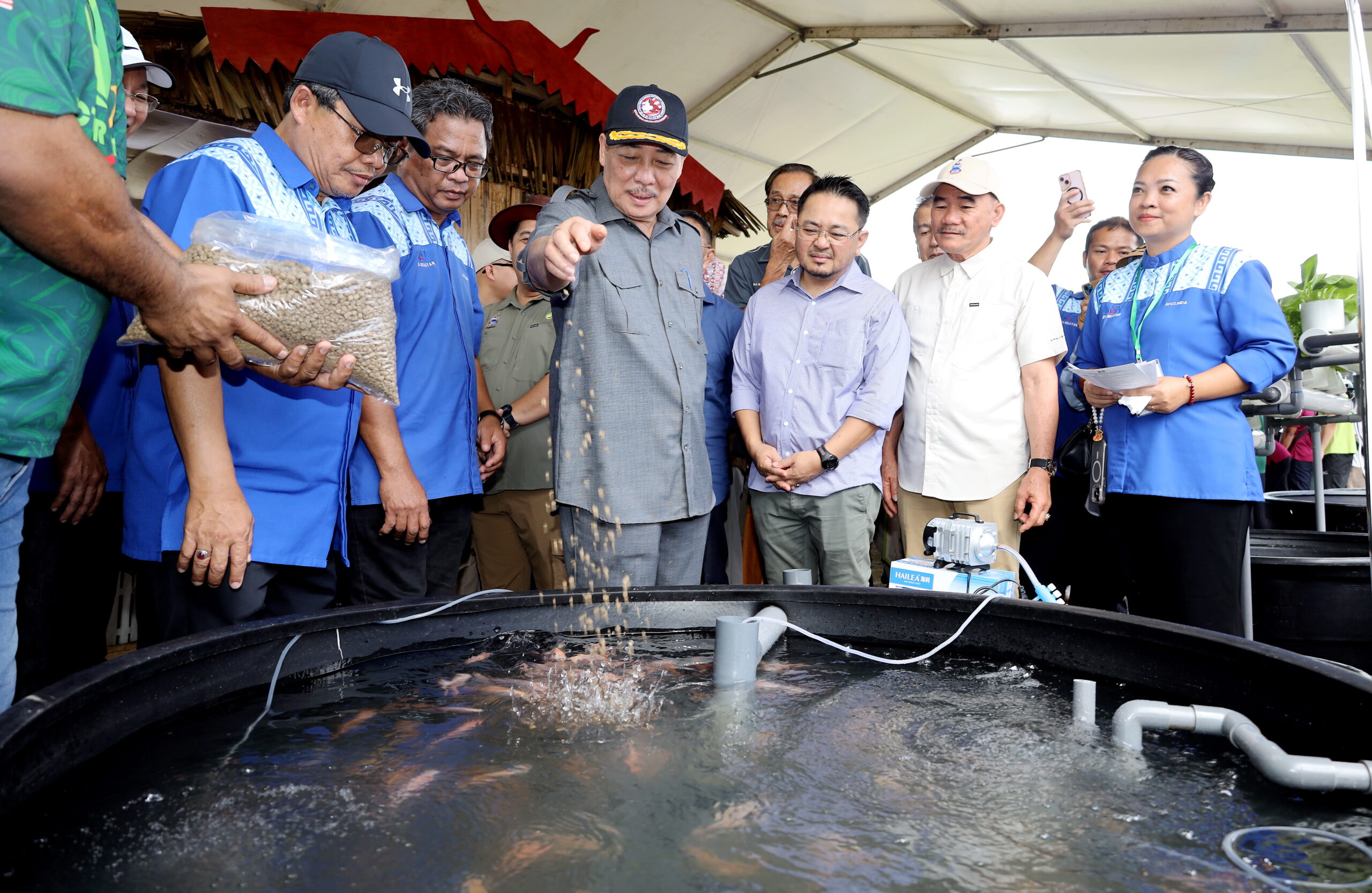
The Sabah Agriculture Department is the lead agency for the development of the crop subsector including the development of Permanent Food Crop Production Zones in 15 permanent food production parks across the state. It has rolled out several initiatives. Sabah has embarked on the road to strengthen food security with a target Self-Sufficiency Level (SSL) of 60 per cent by 2030. Climate change, economic uncertainty, supply chain disruptions and the rising cost of living have impacted the food industry, and the government has embarked on new approaches to tackle the challenge.
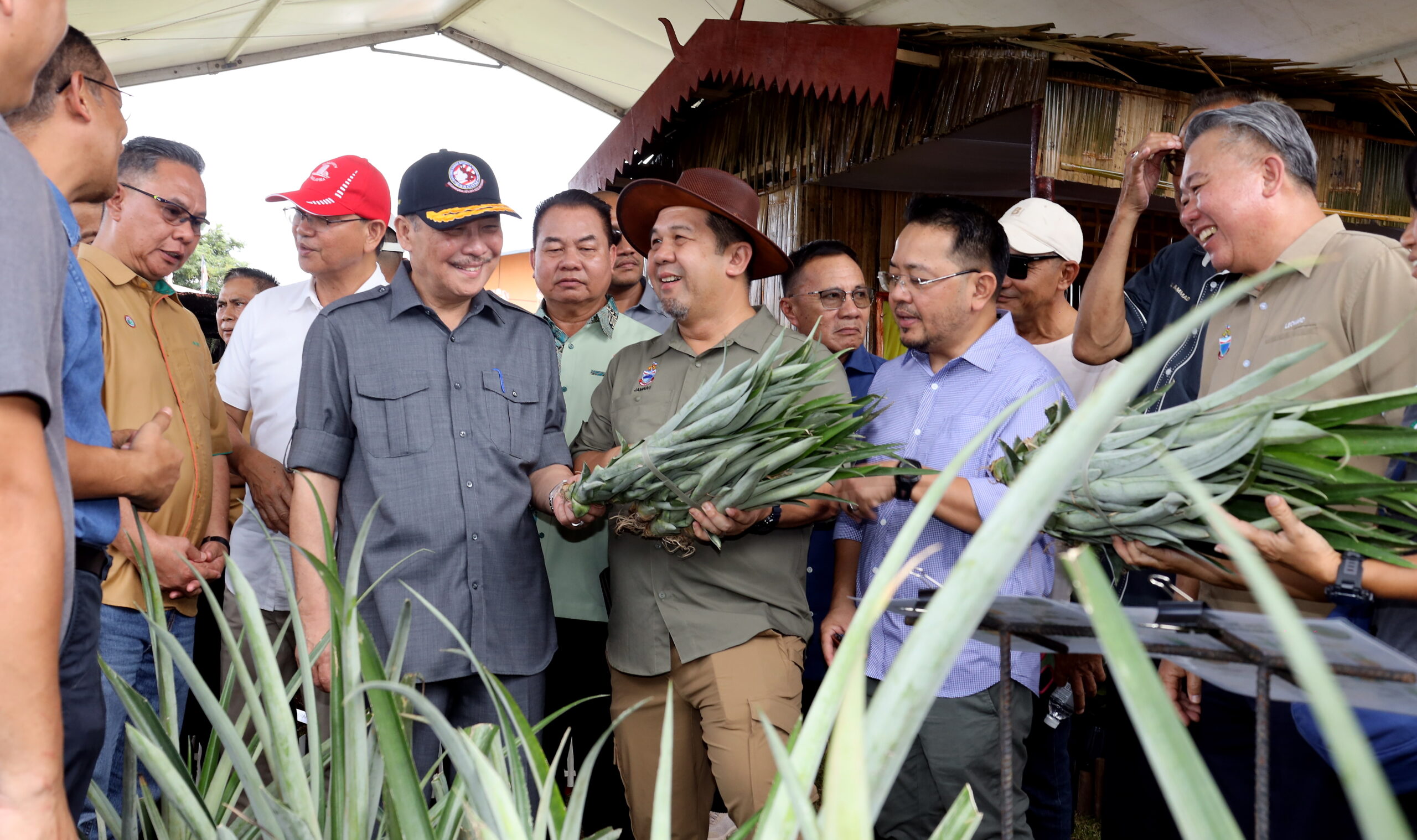
Chief Minister Datuk Seri Panglima Haji Hajiji Haji Noor said that food security has become a key agenda at both the global and national levels. “Therefore, the agriculture, fisheries and food industry sector will continue to be the backbone of Sabah’s socio-economic development,” Hajiji said at the launch of the “MAFFI Kitchen Garden Roadshow” on 16 February 2026 at the Padang Istiadat, Tuaran.
“The Roadshow is a statewide event. Tuaran can become a ‘Model Kitchen Garden District’, where this initiative truly becomes part of the community’s way of life. I hope every village, housing area and community will cultivate a kitchen garden according to their own capacity and creativity.”
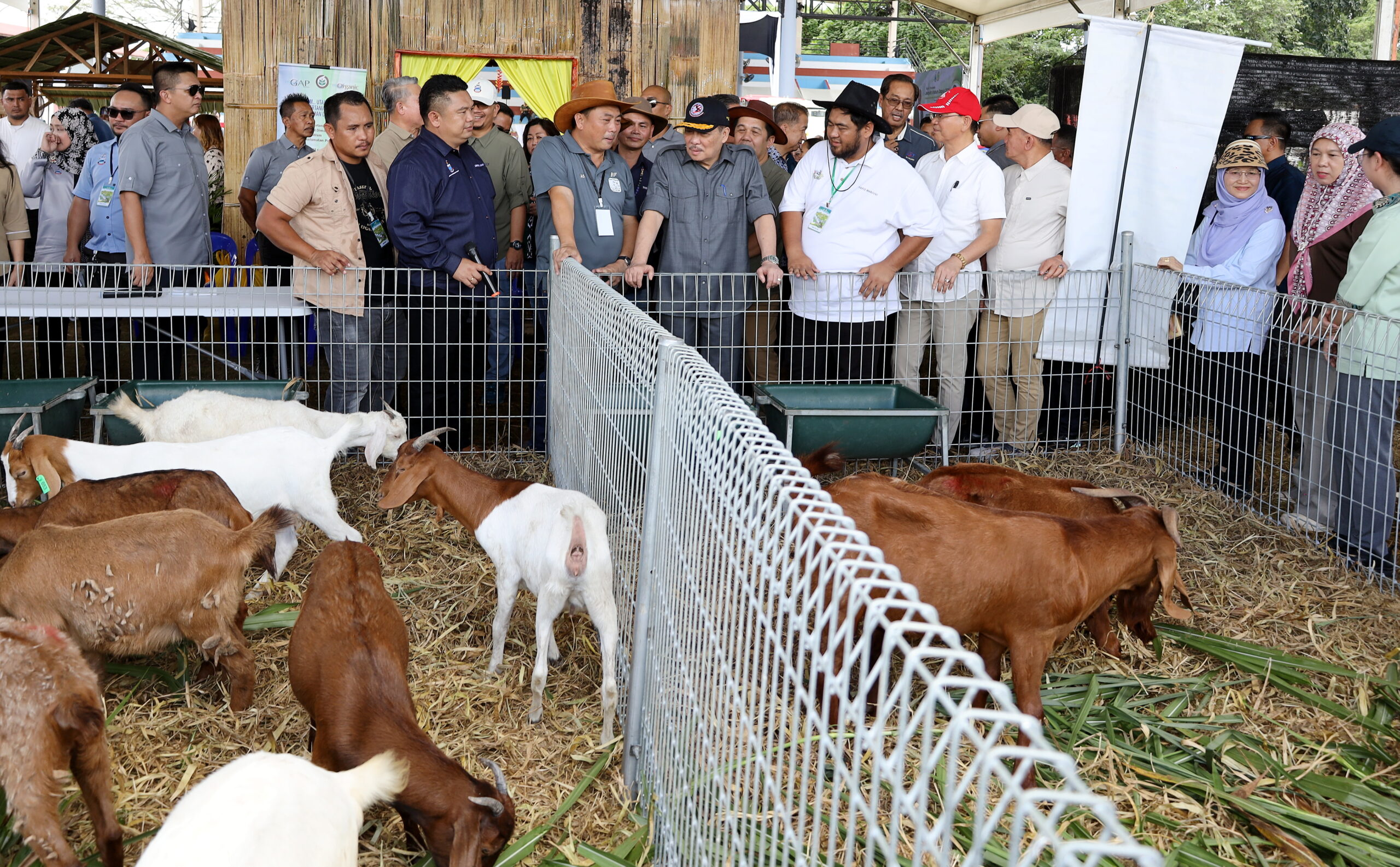
Food security begins at the grassroots level, starting with people’s own home gardens. The Kitchen Garden initiative under the Rural Economic Revolution programme also emphasises on reducing the cost of living and building a more self-reliant and sustainable community, Hajiji added.
The Kitchen Garden Tour adopts a mentor–mentee approach, in which successful and experienced entrepreneurs guide and advise local communities, ensuring the continuous transfer of knowledge and best practices and the building of a community-based support network. The Tour series offer opportunities to communities to learn smart farming techniques that incorporate innovation and technology. The CM said that state’s three economic pillars - industry, agriculture and tourism - will continue to expand over the next five years under the SMJ 2.0 direction.