
Amidst Global Crisis, Sabah’s Tourism Industry Remains Resilient
Estimated Reading Time: 2 minutes



The tourism sector in Sabah has shown tremendous resilient amidst the potential challenges caused at the global stage by the ongoing conflict in the Middle East.
“The political crisis in the Middle East which has erupted into violence among countries will reshape how we operate. Despite the Iran-USA crisis, which has escalated into a regional conflict, the future for Sabah remains bright, and, we are heartened to see strong investor confidence in our tourism sector,” Chief Minister Datuk Seri Panglima Haji Hajiji Haji Noor said on 4 May 2026, at the official opening of the Sheraton Kota Kinabalu.
Sabah must be prepared for the impact of the crisis, and we must adapt, innovate, and take bold, decisive action to address the uncertainties, Hajiji added. The Sabah Tourism Ministry is proactively refining its strategies to ensure that Sabah remains a premier and attractive destination for travellers from around the world including establishing strategic partnerships with global airlines to enhance connectivity, developing premium tourism products, improving service standards to international benchmarks, and hosting high-value events.
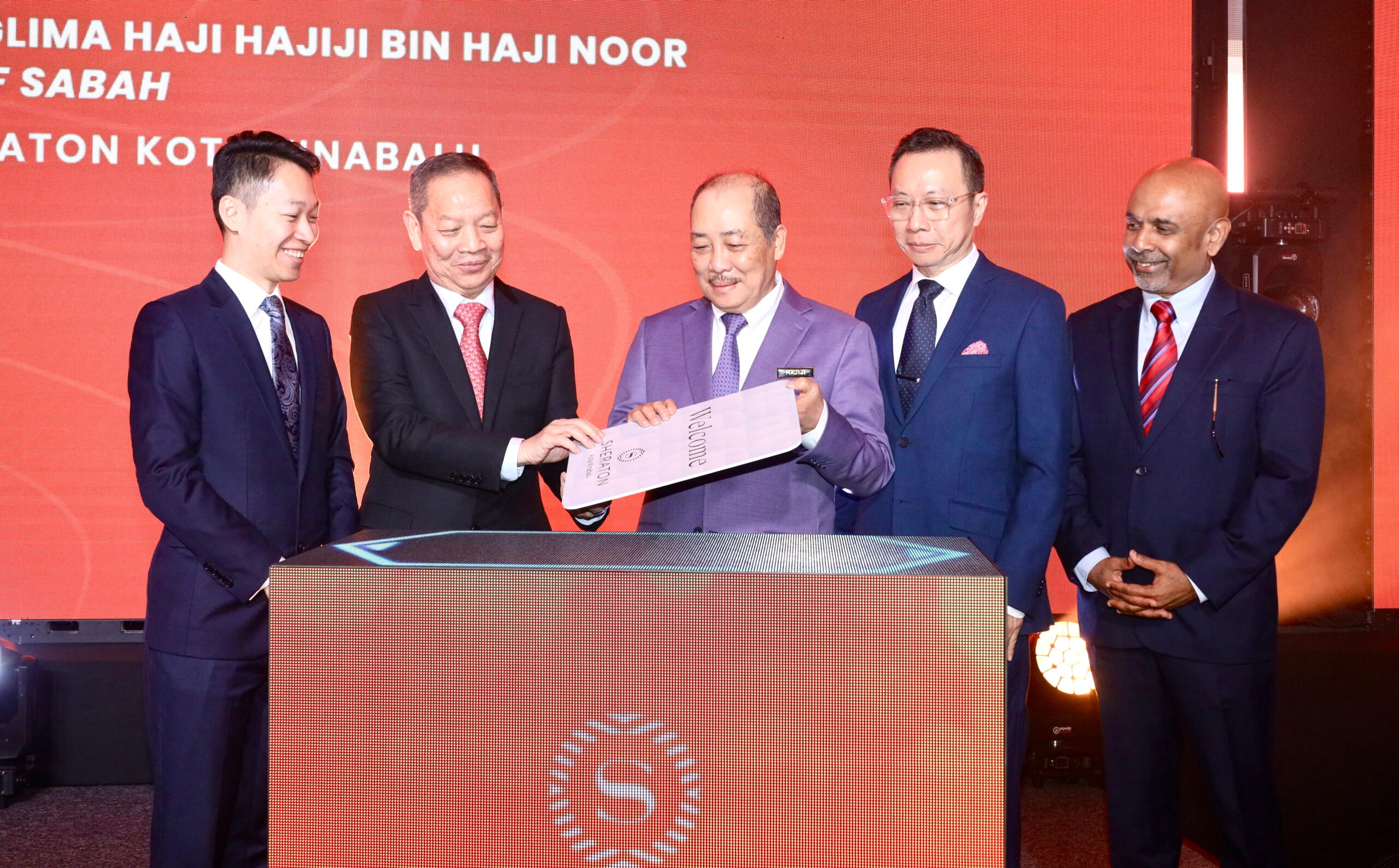
Hajiji said that the RM300 million Sheraton Kota Kinabalu is a welcomed and timely addition to the city’s landscape, as Sabah looks forward to embracing the opportunities during the Visit Malaysia Year 2026. “This momentum will now be extended to end of 2027 and it will serve as a catalyst for Sabah’s preparations for Visit Sabah Year 2027,” Hajiji said. “Sheraton Kota Kinabalu will help Sabah showcase its culture, heritage and hospitality.”
Several new hotels are under construction, including Avani and Fairfield by Marriott, Grandis at The Peninsula, both in Kota Kinabalu City; Club Med in Kuala Penyu; InterContinental in Papar; and Wyndham in Semporna. Upon completion, the new hotels will add 2,740 rooms to Sabah’s existing accommodation inventory. “We are looking at vast economic opportunities including jobs, supply chains, services, and related businesses,” Hajiji said.
“Beyond economic benefits, these new hotel developments will elevate Sabah's profile as a premier destination. They will attract conferences, corporate events, and travellers who will experience the very best we have to offer, thereby strengthening our economy through sustained tourism revenue.” The new hotels are testament to the resilience and optimism of the service and tourism industry partners even in uncertain times, and the development also sends a confident message to competitors and customers that Sabah is open for business and ready to compete on the global stage, Hajiji added.