Sabah’s Agri and Farming to Focus on Five key Approaches
Estimated Reading Time: 2 minutes


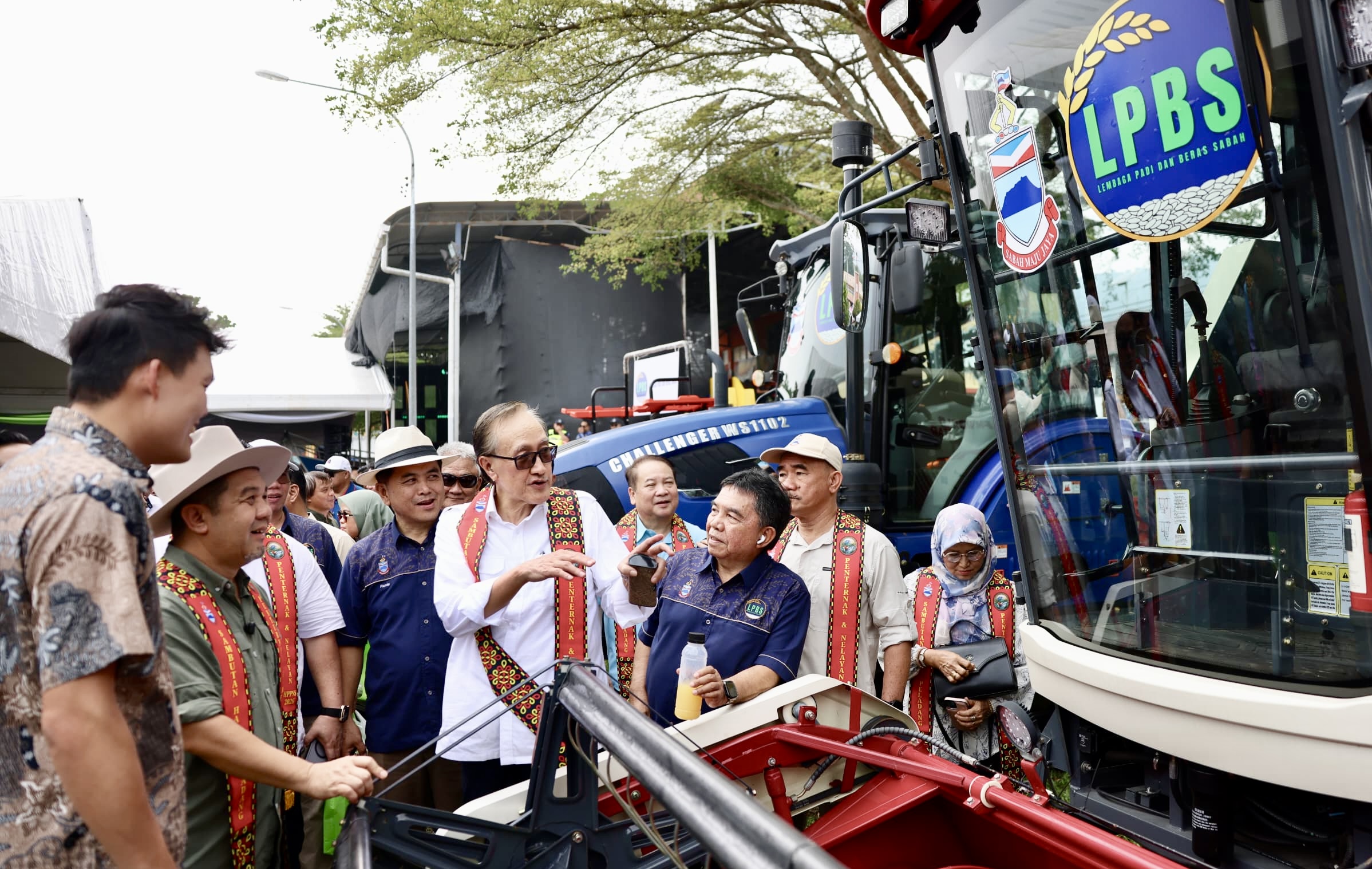
Sabah will focus on five key approaches in farming and fishing. The approaches include improving agricultural infrastructure and basic facilities, expanding the use of modern technology, strengthening market access and supply chains, and enhancing resilience to climate change and production risks.
“Sabah must continue to strengthen its local food production capacity so that we are not overly exposed to fluctuations in external supplies and prices,” Chief Minister Datuk Seri Panglima Haji Hajiji Haji Noor said at the opening of the Sabah State Farmers, Breeders and Fishermen's Day 2026 celebration on 24 October 2026 in Tenom.
“We must be bold in making changes through the adoption of technology, strengthening infrastructure, developing human capital, expanding market access and increasing the value of agricultural produce.”
Sabah has increased its self-sufficiency ratio (SSR) target for padi and rice from 22 per cent to 40 per cent by 2030. The government also plans to increase the production of vegetables, fruits, meat, eggs, fish and other food products that were in high demand.
The Sabah Maju Jaya (SMJ) 2.0 Development Roadmap for 2026 to 2030 places agriculture as one of the state's key economic growth drivers and one of the focusses is in the agriculture sector is to shift from traditional methods to more modern, efficient, productive and market-oriented production systems.
The livestock and fisheries sectors must improve quality breeding, improvements to fish landing facilities and the expansion of seafood processing and marketing industries, Hajiji said. Our young people must venture into the agrofood industry, which had tremendous potential to generate new wealth, create employment opportunities and boost rural economies, the CM added.


