Sabah is Well Prepared to Brace for the Impact of Global Energy Crisis
Estimated Reading Time: 2 minutes


Sabah will navigate the global energy crisis prudently and will manage its energy security through a balanced and resilient energy development strategy. The development and reliability of the energy sector is important to attract investments and driving industrial development, and therefore, the state’s energy transition initiatives will address challenges related to energy supply security and pressure from rising global oil prices from the impact of the ongoing conflict in West Asia.
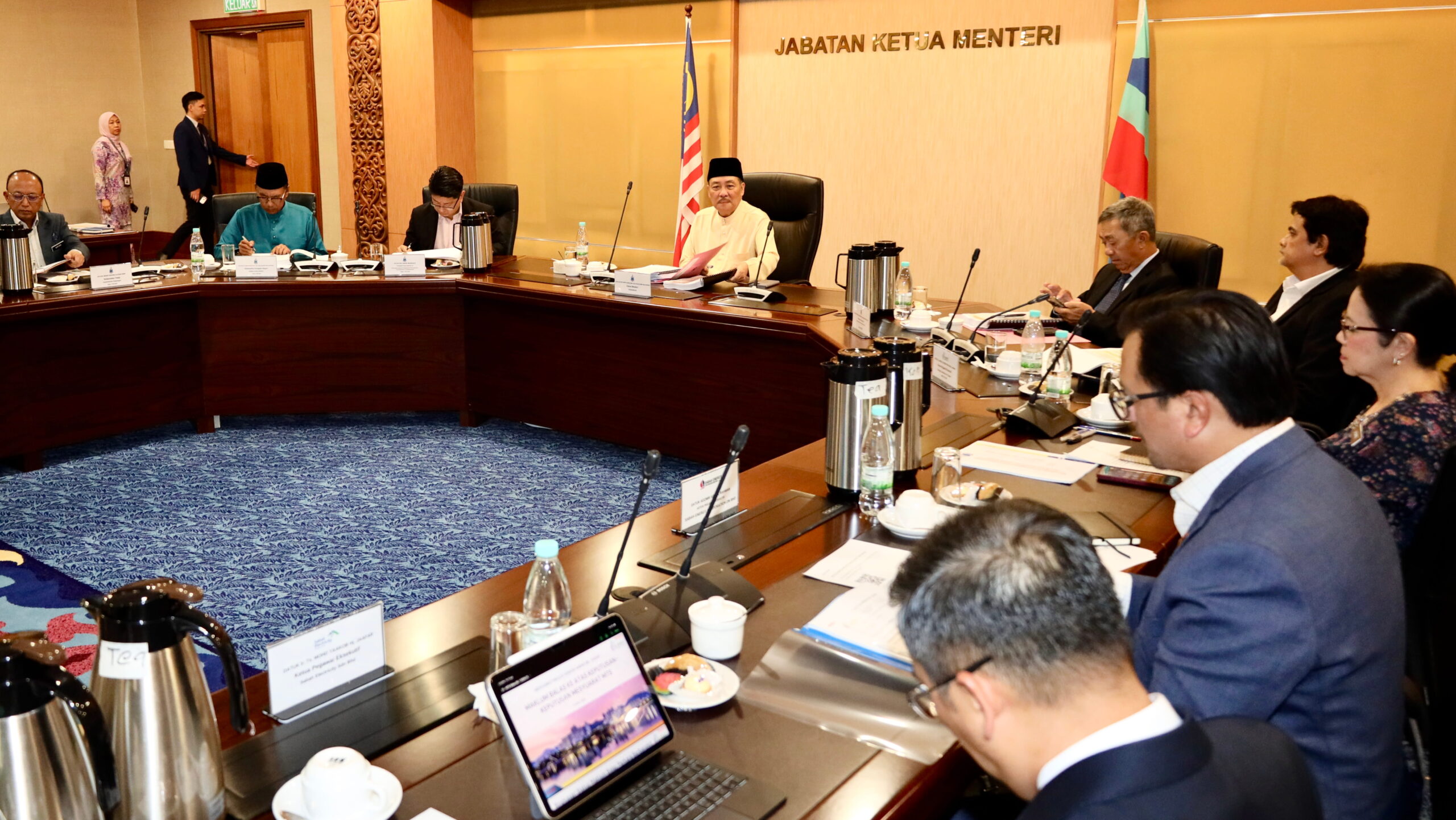
“The energy transition initiatives by the Sabah State Government, led by the Energy Commission of Sabah (ECoS) and implemented over the past few years, are timely and well-suited to help us absorb the challenges arising from the conflict in West Asia,” Chief Minister Datuk Seri Panglima Haji Hajiji Haji Noor said when he chaired the first Sabah Energy Council (Majlis Tenaga Sabah or MTS) meeting for 2026 at Menara Kinabalu on 17 April 2026.
“ECos’s initiatives include leveraging the state’s natural gas resources, developing hydropower, adopting Battery Energy Storage System (BESS) technology, and Pumped Storage Hydro projects as large-scale energy storage to enhance the flexibility and stability of Sabah’s grid system. Sabah is now moving towards increasing the use of renewable energy (RE) and natural gas as alternatives to diesel and Marine Fuel Oil (MFO).”
Sabah recorded several key achievements in strengthening the state’s electricity supply system. Among them were the completion of the 100 megawatt/400 megawatt-hour BESS project in August 2025, the largest battery energy storage system in Southeast Asia, and the commissioning of the Sabah–Sarawak grid interconnection in December 2025, enabling the import of 50MW of electricity. The reliability performance of electricity supply has improved, with the System Average Interruption Duration Index (SAIDI) reduced from 416 minutes in 2024 to 338 minutes in 2025.
A stable, sustainable and competitive energy supply will continue to support the growth of strategic industrial areas, thereby creating more investment and employment opportunities for the people of Sabah, Hajiji – who is Charman of MTS- said.vMTS, among others, has also approved intervention measures under the Sabah Rural Electrification Committee (JELaS) initiative to accelerate the achievement of 100 per cent rural electricity coverage, in line with the aspirations of the Sabah Energy Roadmap and Master Plan 2040 (SE-RAMP 2040). “These initiatives will strengthen grid infrastructure, including the development of the Southern Link, to enhance system reliability, particularly on Sabah’s East Coast,” Hajiji said.