Sabah Continues Pursuing 40 per cent Revenue Entitlement
Estimated Reading Time: 4 minutes


Sabah will continue to pursue the 40 per cent Federal revenue that it has taken from Sabah since 1974. The 40% ratio is enshrined in the founding agreement (the Malaysia Agreement 1963), the crucial document that led to the formation of Malaysia on 16 September 1963.
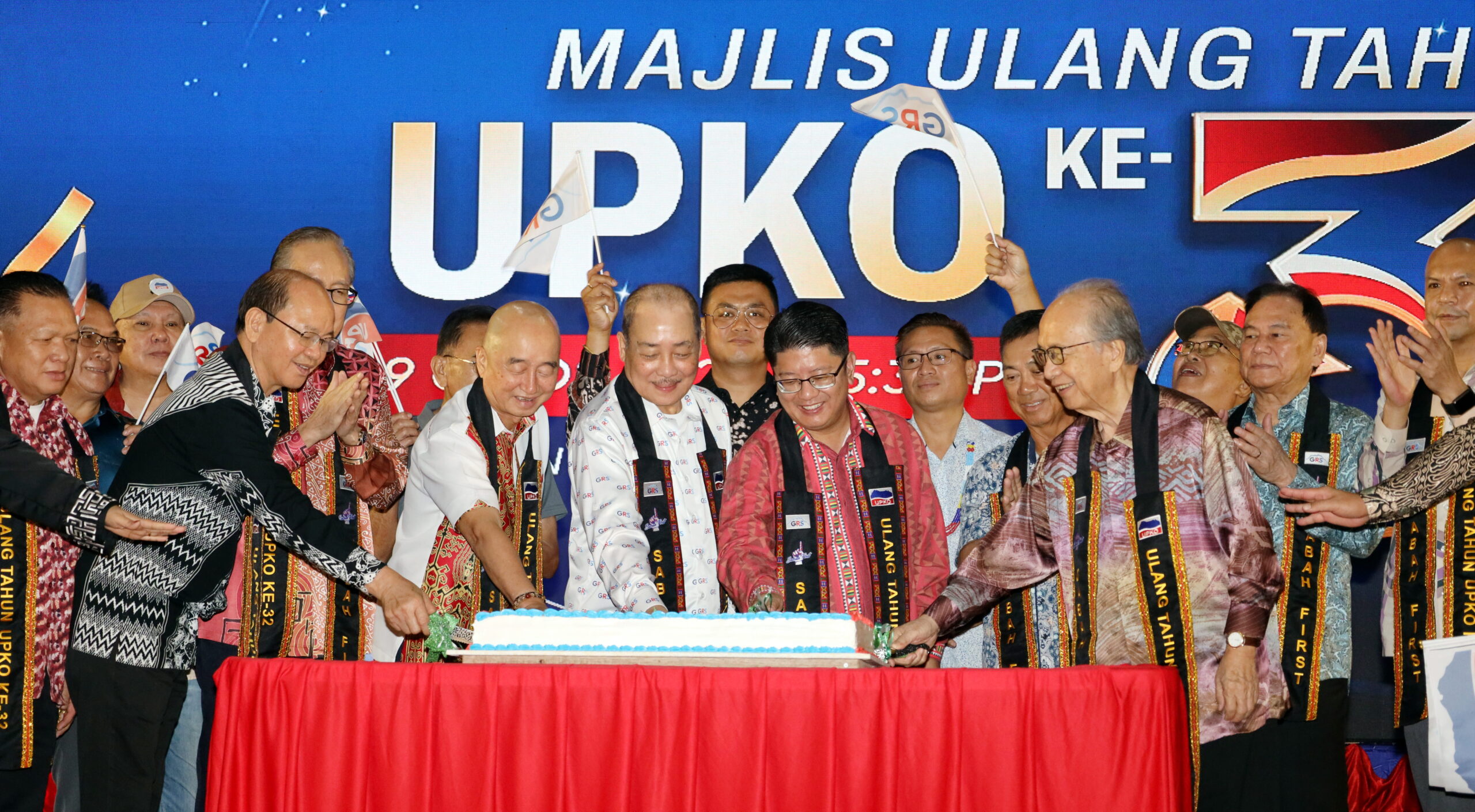
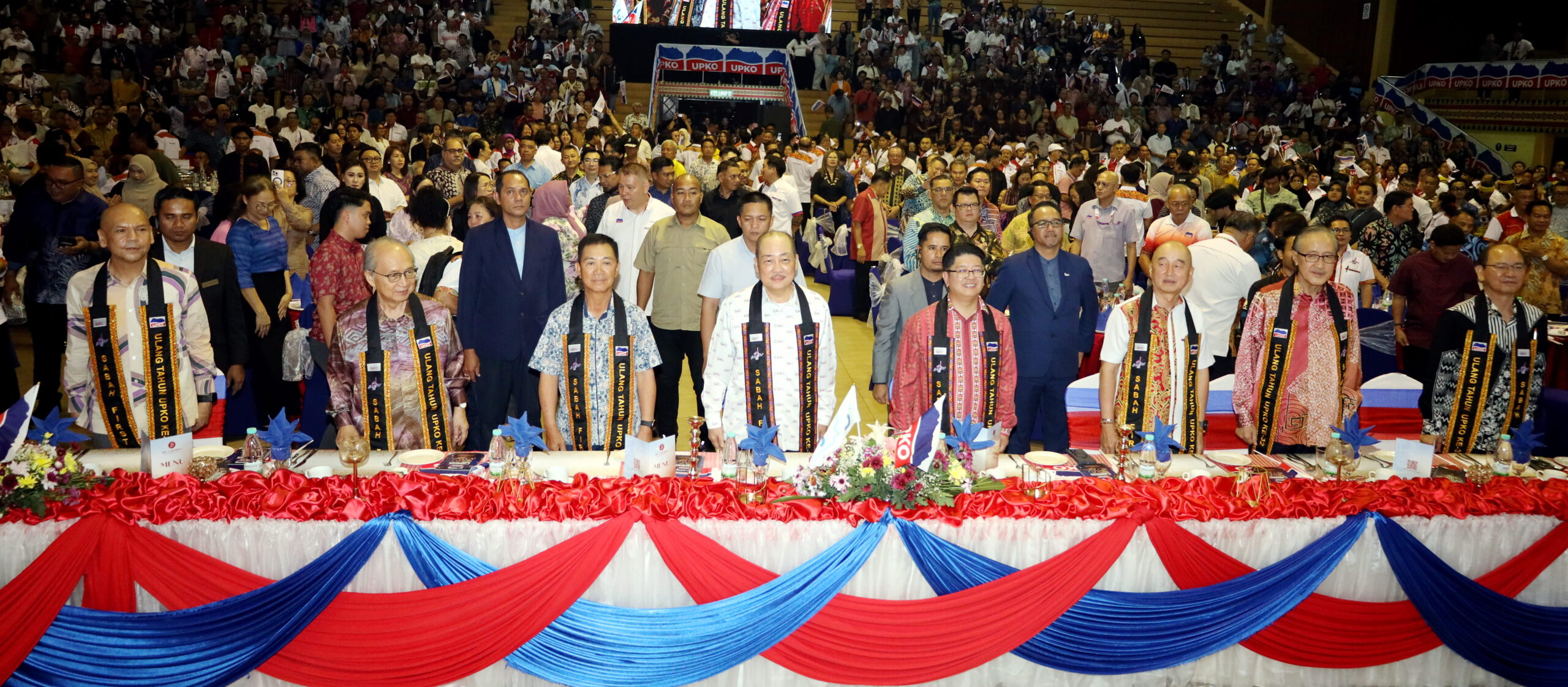
“We will continue to pursue the full implementation of the 40 per cent revenue because the 40 per cent entitlement is our most significant right under the Malaysia Agreement 1963 (MA63), and the provision is stated in Articles 112C and 112D of the Federal Constitution,” Chief Minister Datuk Seri Panglima Haji Hajiji Haji Noor said on 9 August 2026 at the United Progressive Kinabalu Organisation (UPKO)’s 32nd Anniversary Celebration and 17th Triennial Delegates Conference at Hongkod Koisaan Hall, KDCA, Penampang.
“This right must be fulfilled by the Federal Government, and we are pursuing fulfilment through G2G negotiations with the Federal Government.” Sabah won a landmark legal case on the 40 per cent special grant when the Kota Kinabalu High Court ruled on 17 October 2025 that the judicial review - regarding Sabah's right to the 40 per cent special grant from the Federal Government – must proceed.
The Court instructed the Federal and State governments to reach a mutual agreement within 180 days from the date of the order as required under Article 112D of the Federal Constitution. The court’s ruling in October 2025 was mandamus with specific timetables: a review within 90 days, and a binding agreement within 180 days covering the period from 1974–2021. Sabah has accepted interim payments from the Federal Government, but it was done without prejudice to the State's constitutional rights.
The court judgment in October 2025 has held that the special grant mechanism used by the federal government was “ultra vires” under the constitutional scheme. The court had also said that decades of inaction (“the lost years”) cannot simply be ignored under constitutional duty. In the ruling on Sabah’s 40 % revenue entitlement, the court had declared the constitutional provisions as mandatory, not discretionary.
The Federal Government has appealed the court’s decision. Sabah and the Federal Government have implemented 13 rights related to MA63 including the regulation of energy, deep-sea fishing licensing and regulation, recognition of the Public Works Department (JKR) and Department of Irrigation and Drainage (JPS) under Treasury Instruction 182, administration of the judiciary in Sabah, administration of Sipadan and Ligitan islands, labour and the environment.
The Federal Government has agreed to give RM26 million to Sabah and the amount was increased to RM1.5 billion in 2026. If funds reach Sabah, the government can build more paved roads, construct concrete bridges, improve water and electricity supplies, and implement development and welfare initiatives, including more Rumah SMJ houses and more Sentuhan Kasih Rakyat (SYUKUR) programmes.
In October 2025, after the Court’s ruling, Hajiji has said that Sabah would engage with the Federal Government to fulfil its responsibilities as agreed upon during the formation of Malaysia and to implement the Court’s orders in respect to Sabah’s constitutional rights. “We have fought for this issue relentlessly through every formal channel, every MA63 meeting chaired by the Prime Minister, and through countless official letters sent to Putrajaya. Not once have we allowed this matter to pause,” Hajiji has said.
The State Government continues to place emphasis on financial performance, Hajiji said during the UPKO event on 9 August 2026.Sabah’s annual revenue was at RM7 billion since 2022, and the amount is expected to increase to RM8 billion in 2026. Despite domestic and global challenges, Sabah achieved RM7.6 billion in investments in the manufacturing sector in 2025 alone, an increase of 208 per cent from 2024.
In the Oil and Gas sector, Hajiji said that the State Government has made headway with PETRONAS, having succeeded in increasing Sabah’s equity participation in the exploration and development of Sabah’s O&G industry, and created opportunities for local Sabah companies to participate in the development of the industry, including Sabah’s acquisition of a 40 per cent equity stake in a Floating Liquefied Natural Gas (FLNG) facility project in Sabah, and a 30 per cent stake in two new oil and gas fields in the East Coast.
The State Government has developed industrial parts in Kota Kinabalu, Sipitang and Lahad Datu which are now in full capacity, and it will build new industrial parks in Kota Belud and Kudat, Hajiji added.